Top Cybersecurity Tips Every Internet User Should Know in 2026
In today’s digital world, our lives are more connected to the internet than ever. We buy things online, check our bank accounts through apps, save personal photos in the cloud, and talk to friends and family using different websites and apps. While being connected makes things easier, it also makes us more at risk from cyber threats. Knowing some basic ways to stay safe online is no longer something we can ignore—it’s something we all need to do.
Why Cybersecurity Matters
Cybercriminals are always finding new ways to get your personal information, money, and even your identity.
They use tricks like fake emails or harmful software to try and steal from people, and these threats can happen to anyone, even if you aren’t really tech-savvy.Taking a few simple steps can help stop these attacks before they happen.
1. Use Strong and Unique Passwords
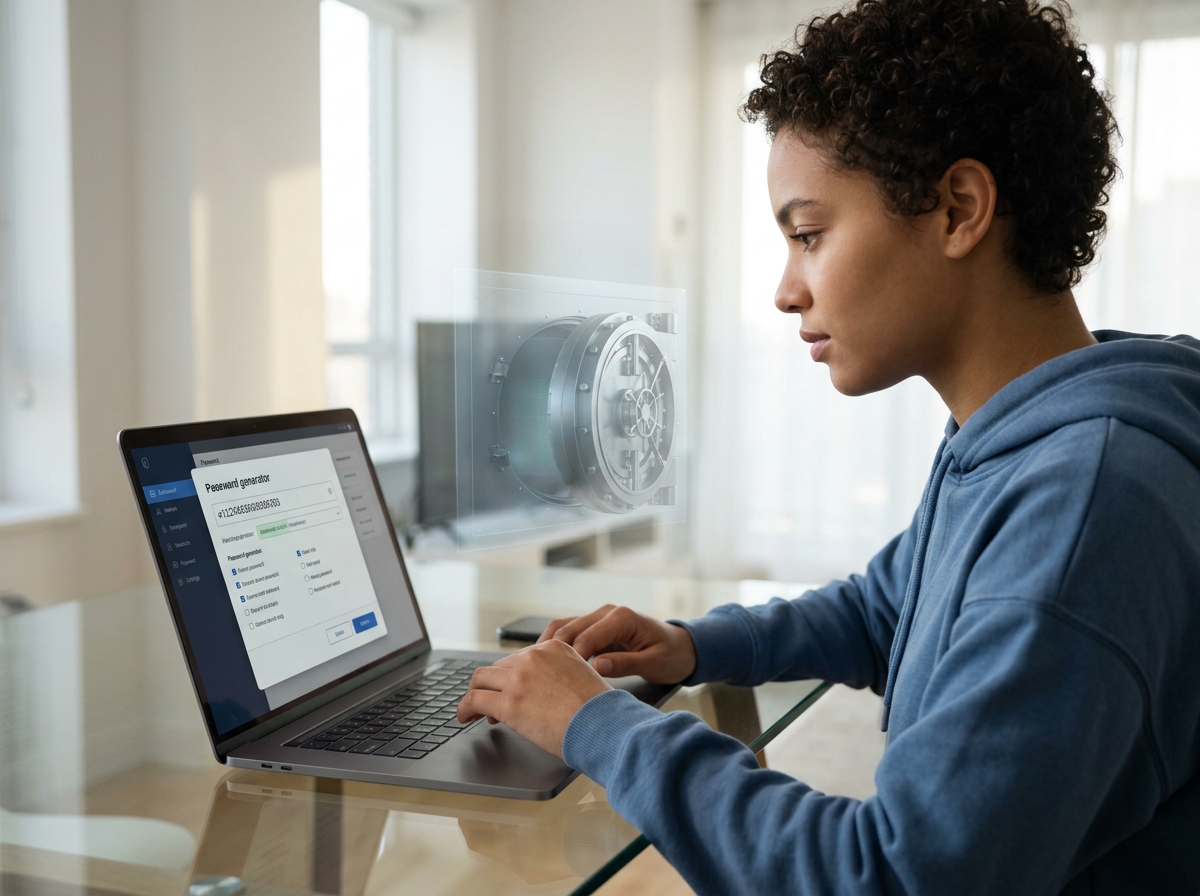
One of the easiest things you can do to stay safe is to use strong passwords.
Avoid using things like your birthday or “123456” because those are too easy to guess. Instead, mix up letters, numbers, and symbols. It’s also important to use a different password for each account, so if one gets hacked, the others stay safe.
2.Turn On Two-Factor Authentication (2FA)
Two-factor authentication makes it harder for someone to get into your account. It usually requires something else, like a code sent to your phone, in addition to your password. Even if someone gets your password, they still need that extra step to get in.
3. Be Careful of Phishing Emails
Phishing is a common method used by criminals to trick people into giving their personal information. These emails often look like they come from trusted places like your bank or a popular website, asking you to click a link or share sensitive details. Always check the email address carefully and don’t click on links you don’t trust.
4. Keep Your Software Up to Date
When software gets updates, it often includes fixes for security problems that hackers could use. Make sure to update your operating system, browser, and apps as soon as new updates are available.
5.Use a Good Antivirus and a VPN
A good antivirus program can help find and stop harmful software before it causes damage. A Virtual Private Network (VPN) helps protect your information when you’re using public Wi-Fi by making your internet connection more private.
6. Avoid Using Public Wi-Fi for Sensitive Tasks
Public Wi-Fi, like the kind found in cafes or airports, is often not secure. Hackers can listen in on these networks and steal your information.Avoid using them to access things like your bank account or personal emails.
7.Back Up Your Important Files Often
If something happens like a ransomware attack or your files get lost, having a backup can save you from a lot of trouble.
You can use cloud storage or an external hard drive to save your files regularly.
8. Learn About Cybersecurity and Share It With Others
Since new threats keep coming out, it’s important to stay informed about the latest ways scammers try to trick people.
Sharing this knowledge with family and friends, especially those who may not be as familiar with technology, can help make the online world safer for everyone.
Conclusion
Protecting yourself and others online is something everyone should be responsible for. By staying aware and following these simple steps, you can greatly reduce the chances of being attacked. Remember, you don’t need to be a tech expert to stay safe—just being careful and following good habits can make a big difference in keeping your personal information and online identity safe.